Our Teams
The Steering Committee
-
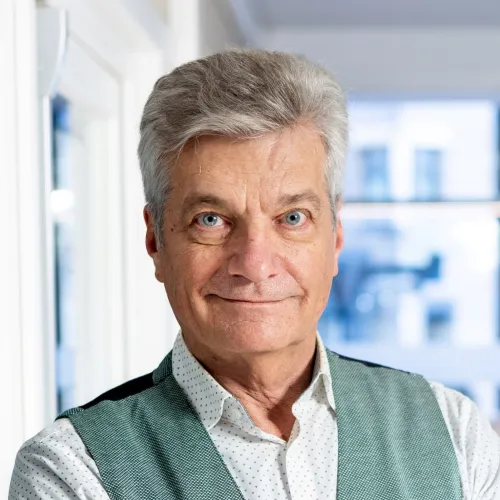
Mark Hunyadi
Philosopher, author of the idea of a Universal Declaration of the Rights of the Human Mind
He has devoted two works to the idea of a Universal Declaration of the Rights of the Human Mind: The Second Age of the Individual (PUF, 2023), and Universal Declaration of the Rights of the Human Mind (PUF, 2024). In his earlier books, he proposes a theory of trust as an elementary binding force. He is currently a professor of philosophy at UCLouvain (Belgium), associate professor at the VP-IP Chair of Institut Mines/Télécom (Paris) and member of several major ethics committees.
-
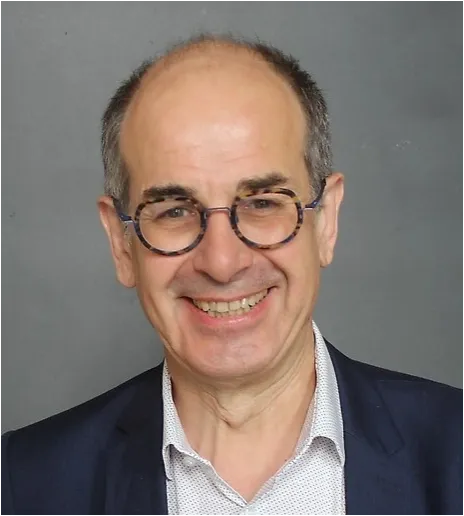
Olivier Réaud
Strategic Facilitator of the Initiative
IN PRINCIPO FounderWith his team, Olivier Réaud offers an approach centered on collaborative dynamics – a facilitation practice that generates continuous collective intelligence – and applies it to transformation, management, innovation, and ecosystems.
Aware of the urgency to act at a global level, and alerted by the growing grip of metatechnologies, he has proactively engaged in the Rise for the Mind initiative. -
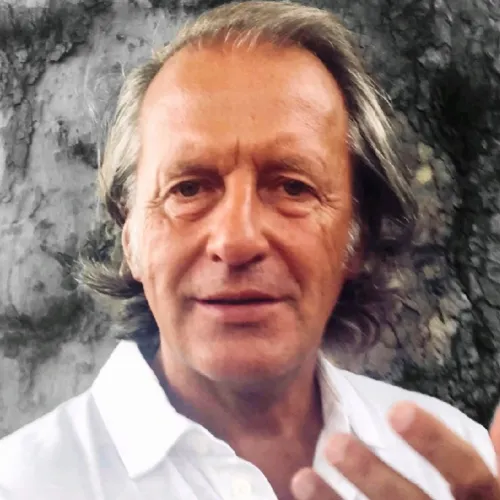
Stéphane Demarquette
Strategic Facilitator of the Initiative
IN PRINCIPO PartnerStéphane Demarquette worked for more than 20 years as HR Director for Innovation and Development at L'Oréal.
He has engaged in the Rise for the Mind initiative, convinced that it's worth it. He is indeed convinced that a new ethical framework will foster new capacities for cooperation between AI and collective human intelligence.
-
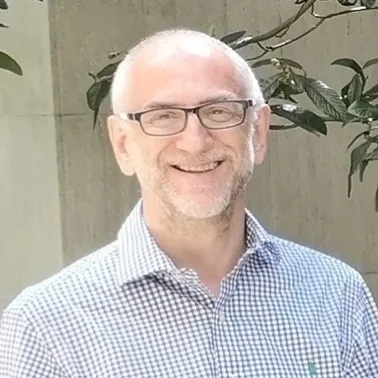
Harrie Barron
Transition Facilitator
IN PRINCIPO PartnerHe relies on collective intelligence, agility, and technologies to bring about concrete and sustainable solutions. Convinced that AI will profoundly transform companies provided it serves the user.
-
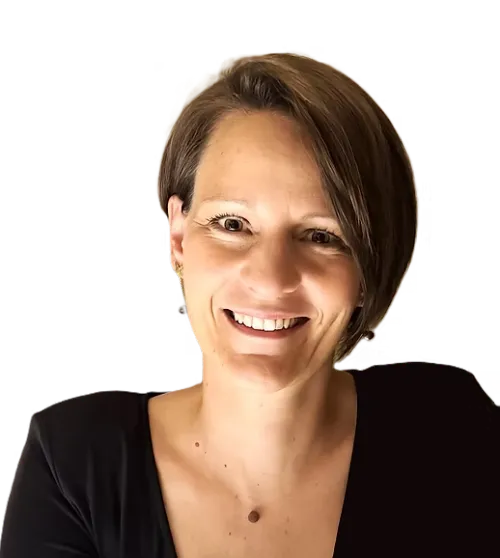
Anna Bánfi
Initiative Facilitator
Entrepreneurial CoachWith her field experience and solid expertise in support, she brings her coaching perspective to grow the idea of a Declaration. She is convinced that the current evolution of tools available to a company (AI and other technologies) must be put at the service of people, in order to further enhance the human contribution in value creation processes.
The Ethics and Scientific Committee
The ethics and scientific committee is the interdisciplinary advisory body responsible for guiding and disseminating the idea of a Universal Declaration of the Rights of the Human Mind.
-
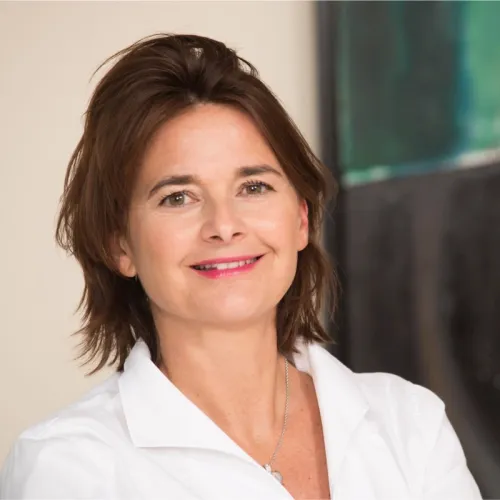
Nathalie Sonnac
Media
Specialist in Media and Digital Economics
Professor at Paris Panthéon-Assas University
Director of the Master's 2 program "Media, Communication and Sport"
Member of the CSA (2015-2021)
Author of the essay The New World of Media: A Democratic Urgency
Nathalie Sonnac, a specialist in media and digital economics, is particularly interested in the impact of artificial intelligence on humans. At the intersection of technological transformations, democratic stakes, and new information uses, she analyzes how AI reconfigures our relationship to information, our behaviors, and the place of humans in media ecosystems. Her perspective crosses economics, ethics, and regulation to illuminate the major challenges of contemporary digital technology.
-
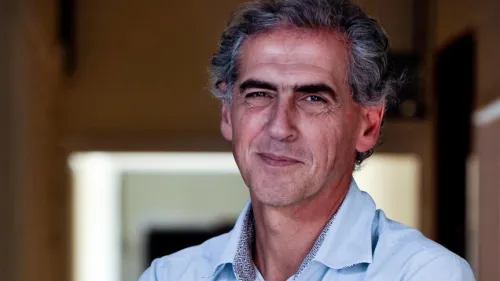
Hugues Bersini
Computer Science, Robotics and AI
Professor of Computer Science at the Université Libre de Bruxelles (ULB)
Founder of the Brussels Institute FARI
Hugues Bersini, a specialist in artificial intelligence, computer science, and complex systems, closely examines the impacts of AI on humans. Through his work, he explores the limits, promises, and potential pitfalls of intelligent technologies, highlighting their effects on society, decision-making, ethics, and living together. His approach, both scientific and reflective, advocates for a harmonious and... intelligent coupling between humans and AI.
-
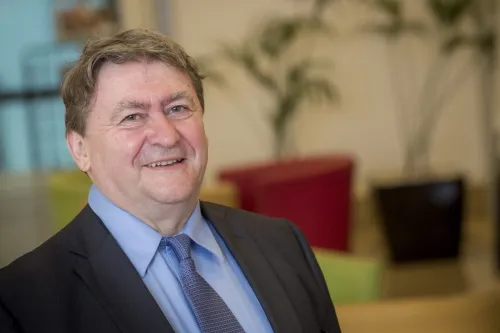
Francis Jutand
Digital Expert
Deputy Executive Director at Institut Mines-Télécom
Author of the Enlightened AI Report
Francis Jutand, a digital expert and renowned research director, pays particular attention to the impacts of artificial intelligence on humans and society. At the crossroads of engineering, digital sciences, and societal issues, he analyzes how AI transforms our modes of communication, our organizations, and our public spaces. His work aims to illuminate the conditions for responsible technological development in service of human and collective progress.
-
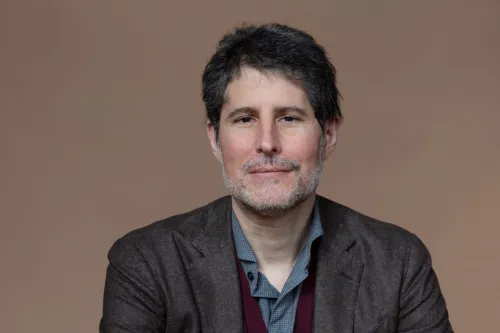
Giuliano da Empoli
Writer and Political Advisor
Professor at Sciences Po Paris, President of Volta
Giuliano da Empoli, writer and political analyst, is particularly interested in the impact of artificial intelligence on humans because it redefines the dynamics of power, influence, and narrative at the heart of our societies. Through his perspective on contemporary politics and the new mechanisms of manipulation or persuasion, he explores how AI transforms our imaginaries, our collective behaviors, and the way public opinion is shaped. His approach blends political reflection, culture, and technological issues to illuminate the transformations of the modern world.
Author of books: The Engineers of Chaos (Gallimard, 2019), The Kremlin Magician (Gallimard, 2022), The Hour of Predators (Gallimard, 2025)
-
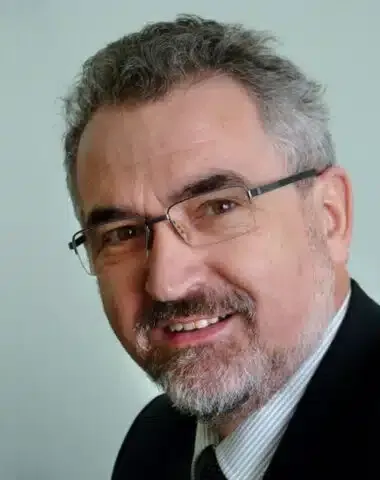
Ioan Roxin
Digital Technologies
Professor Emeritus at the University of Franche-Comté
Director of the ELLIADD Laboratory
Ioan Roxin is Professor Emeritus at the University of Franche-Comté and a specialist in digital technologies, multimedia, and artificial intelligence applied to education. Former director of the ELLIADD laboratory, he is interested in how technologies transform learning, knowledge transmission, and communication. His work explores personalized learning, intelligent systems, and cognitive issues related to AI. He works for an informed and responsible use of technologies in service of humans and education.
-
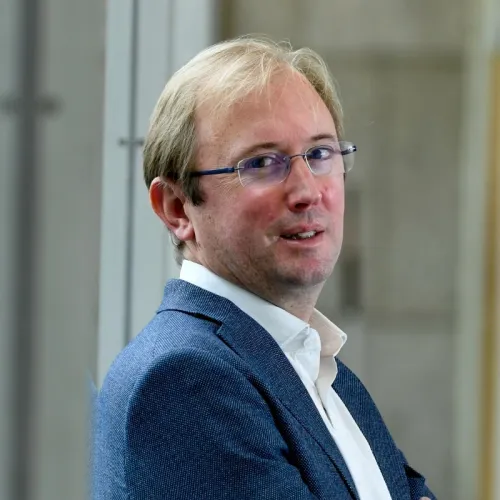
Nicolas van Zeebroeck
Economics
Professor of Economics and Digital Strategy at Solvay Brussels School of Economics and Management (ULB)
Nicolas van Zeebroeck is a professor of digital economics at Solvay Brussels School and co-founder of FARI, the Brussels AI institute for the common good. A specialist in digital transformation, he studies how artificial intelligence reconfigures work, skills, education, and organizations. His interest in AI comes from its direct impact on humans: the opportunities it creates, the risks it generates, and the societal choices it imposes on us. Analyzing European legislative texts, he deplores that these, in general, are unable to fundamentally challenge the current operating models of digital technology, merely adjusting existing practices at the margins.